

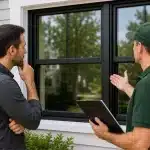
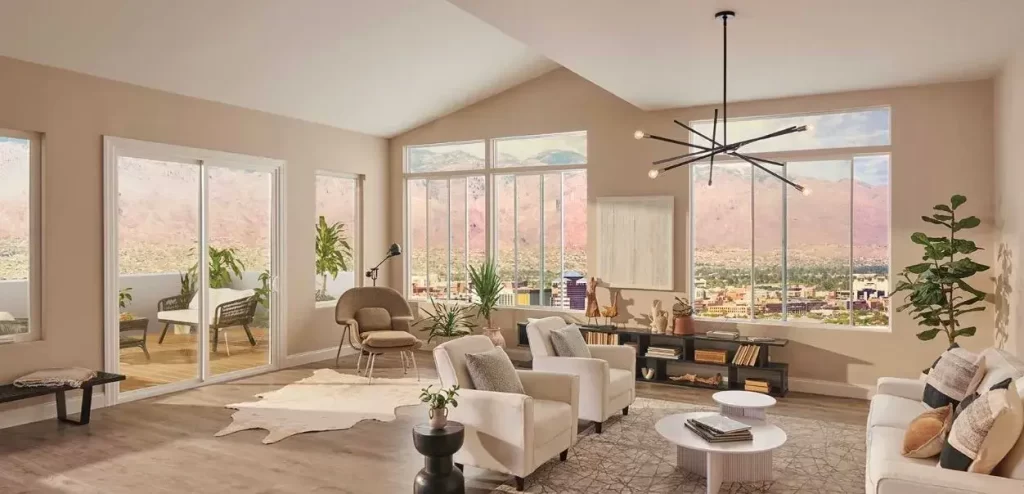
If you want to bring more fresh air and elegance into your home, you need to choose the right windows that can completely change the feel of your space!
That’s why installing the right windows is important for better airflow and to have a home that feels “alive” with natural breeze. Also, after installing them, you’ll enjoy –
- Lower cooling costs during warmer months
- Cleaner indoor air with fewer pollutants
- Less humidity and fewer lingering odors
- A more comfortable, refreshing living space
And, here’s something you should know – EPA says that people are indoors almost 90% of the time, and indoor air can be 2 to 5 times more polluted than outdoor air. But choosing the right windows that provide proper ventilation can ensure the air you breathe inside your home is less polluted.
However, some windows ventilate way better than others. So, how do you know which ones will be best for your home?
Well, that’s what this blog is for! We’re here to guide you on choosing a window style that can improve ventilation and keep your home airy, refreshing, and pleasant all year long!
What Types of Window Styles are Best for Natural Ventilation?
Some windows naturally provide more ventilation than others. Window designs, opening angles, and sizes – all affect how much fresh air they can pull into your home. That’s why it’s extremely important to choose the right window style for your space.
And here are our top suggestions –
1. Casement Windows – The Airflow Champions
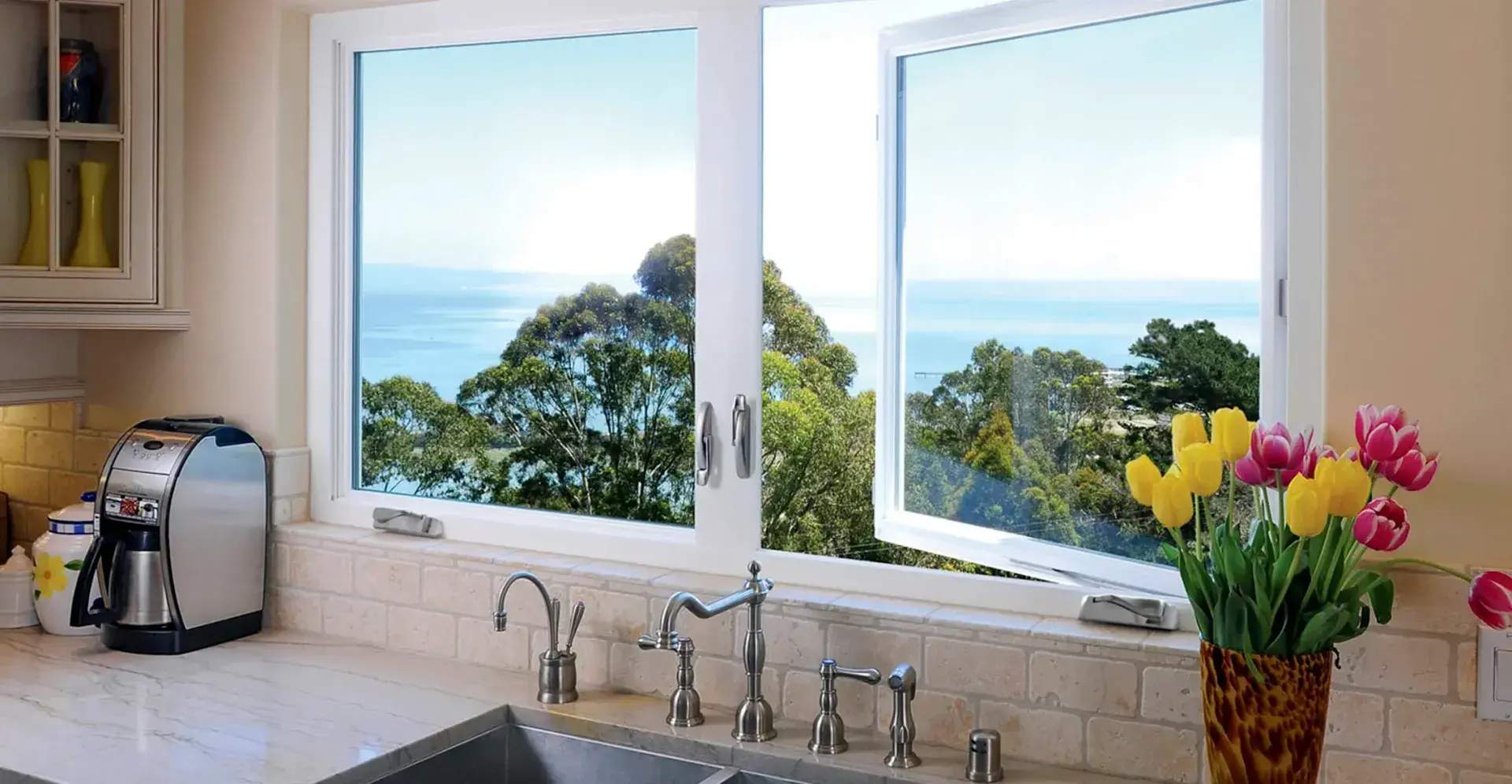
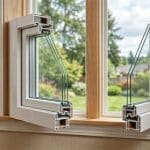
You’ve probably guessed it right! This is the “champion” window style for better airflow and a cooler, fresher home. You’ll usually see these windows hinged on the side, swinging outward like a door.
How Do They Improve Airflow?
- They catch side breezes better than most window styles.
- The sash opens fully to allow maximum fresh air.
- You can direct airflow by adjusting the opening angle.
- They seal tightly when closed, improving energy efficiency.
- They’re great for cross-ventilation when paired with another window.
- They bring in cooler air from lower outdoor levels.
These Types of Windows are Best for –
- Older homes
- Kids’ bedrooms
- Shared spaces
- Any room where you want a “classic” look
If your home feels stuffy, these are the windows that will change that instantly.
2. Awning Windows – Fresh Air, Even When It Rains
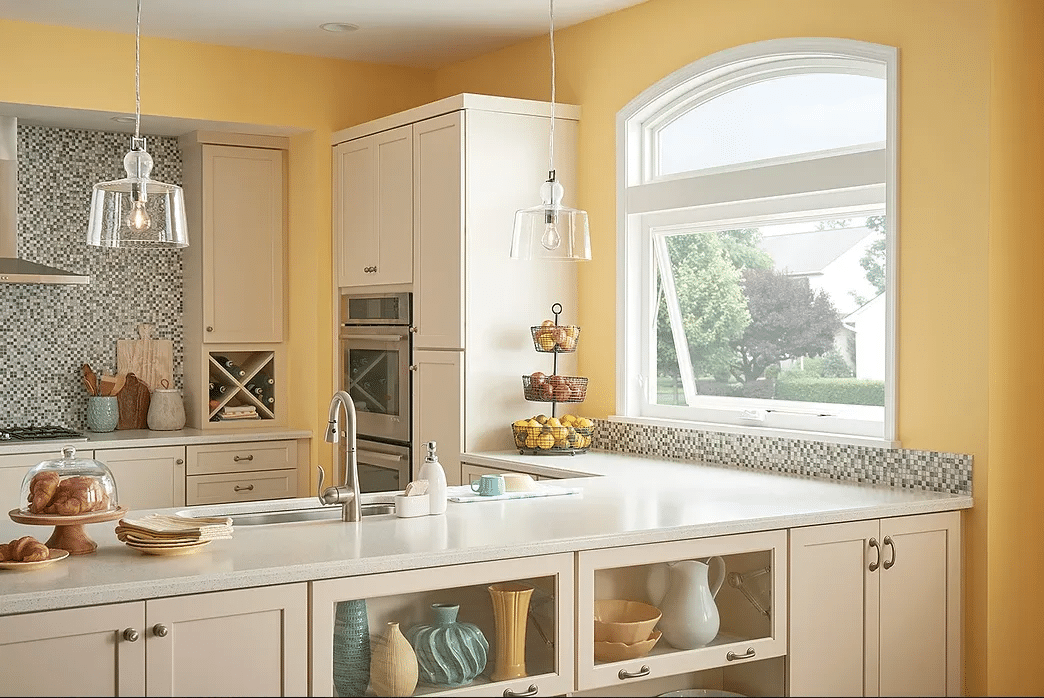
If you love to enjoy rain (while being inside your home), awning windows will be the perfect option for you. They hinge at the top and open outward. And it’s their angled design that can help you get fresh air without worrying about rain.
Here’s How Awning Windows Improve Ventilation –
- They bring in fresh air even during storms.
- They increase ventilation in smaller rooms.
- They pair well with other window styles.
- They’re energy-efficient because the sash seals tightly when closed.
- They reduce the risk of drafts because of their tight seal.
- They allow ventilation without fully exposing your home to the outside.
Awning Windows are Best for –
- Bathrooms
- Basements
- Over kitchen sinks
- High-wind areas
3. Sliding Windows – Wide Open Views & Natural Breeze
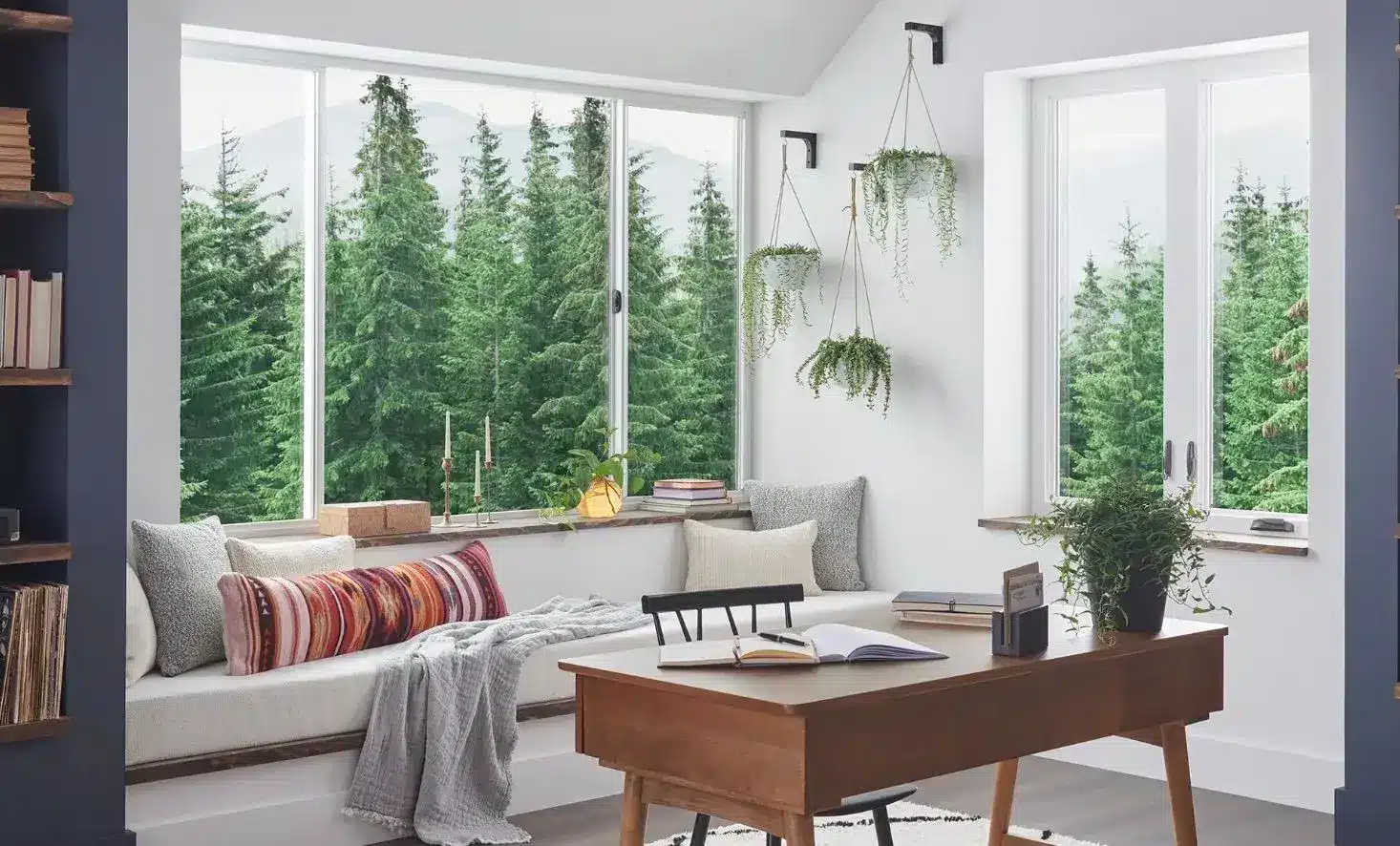
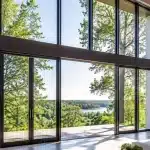
Having a home with great outside views is everyone’s dream. So, why not make it a reality? With sliding windows, you’ll enjoy outside views and a ton of fresh air every day! Also, they glide horizontally, so they’re extremely easy to operate.
How Sliding Windows Improve Ventilation –
- They open wide, allowing more air to move across the room.
- They glide easily, so you can adjust the opening to control ventilation.
- They pull in breezes from different angles due to their wide opening.
- They let warm indoor air escape quickly when fully opened.
- They bring in natural light while improving airflow at the same time.
Sliding Windows are Best for –
- Living rooms
- Dining rooms
- Bedrooms
- Modern homes with horizontal layouts
If you like a window that works as instantly as opening a door, sliding windows are your best option!
4. Single-Hung Windows – Easy, Classic, and Practical
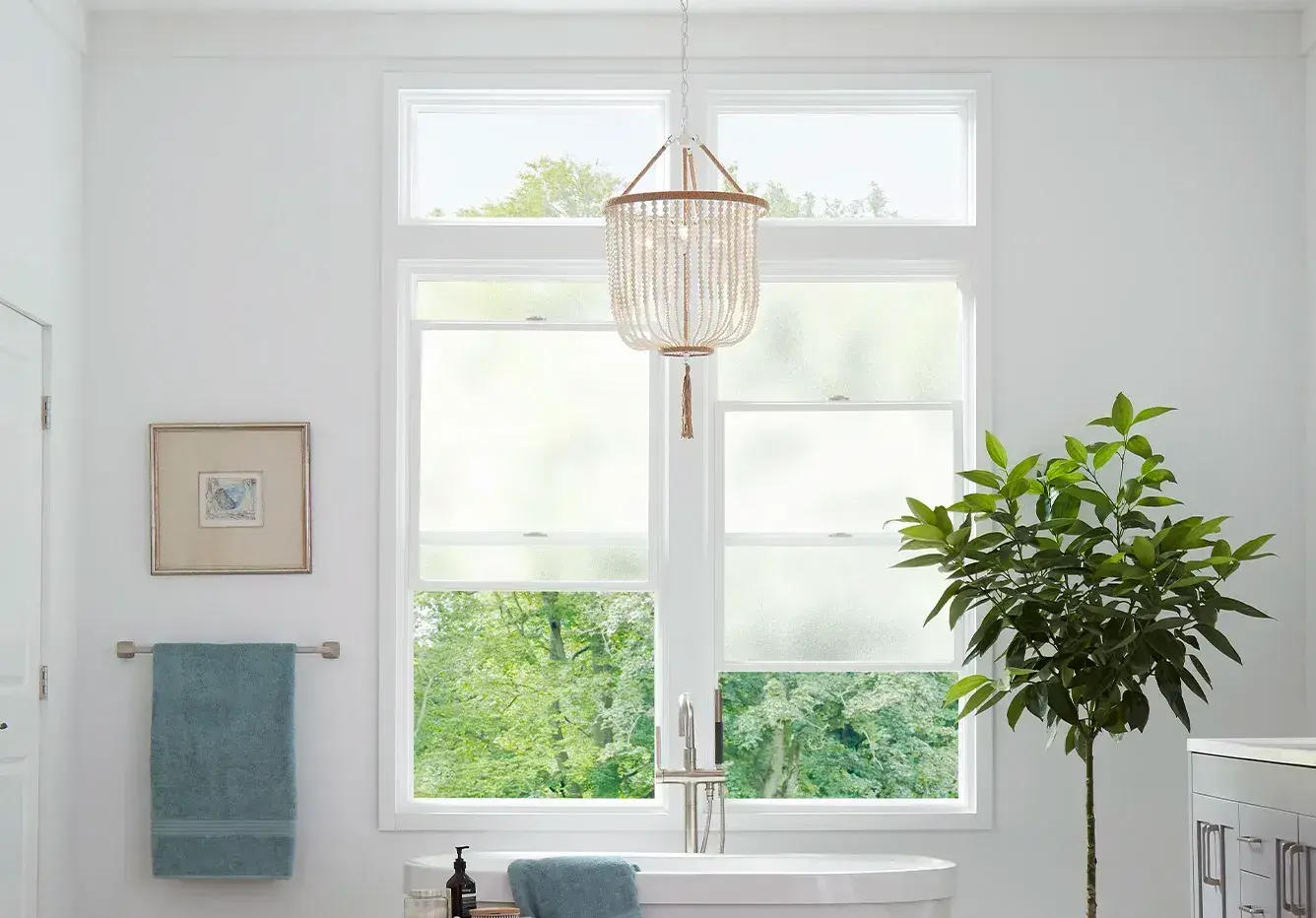
Single-hung window installation can be your perfect option if you want a classic window style in your home. They have a timeless and simple design and operate through one moving sash.
They might offer less ventilation than awning or casement windows, but are great for everyday use.
How Single-Hung Windows Help With Ventilation –
- You can slide the bottom sash up to let outdoor air flow in.
- Their vertical opening will force warm air to rise and move out naturally.
- They allow controlled airflow without opening too wide.
- Their tight seal helps prevent drafts but gives you ventilation when needed.
- You can always leave them slightly open for mild, continuous ventilation.
These Types of Windows are Best for –
- Traditional or older homes
- Kids’ bedrooms
- Shared rooms
- Narrow or tighter wall spaces
- Any room where you want a classic, easy-to-use window
So if you want an elegant style with simple, everyday ventilation, single-hung windows are a choice you can trust.
5. Double-Hung Windows – More Control Over Airflow
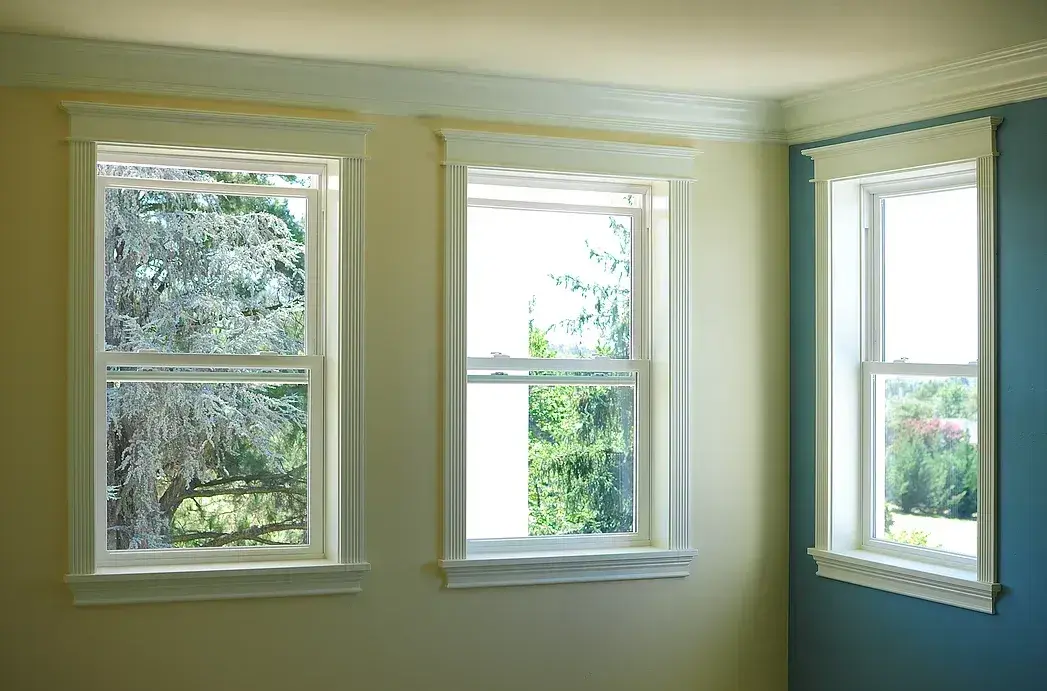
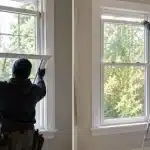
Double-hung windows are one of the best choices if you want full control over how air moves throughout your home. You’ll see two movable sashes in these windows, and so you’ll have the flexibility to adjust the ventilation as you like.
How Double-Hung Windows Help With Ventilation
- You can open either sash to control airflow exactly how you want.
- Warm air rises out of the top sash while cool air enters from the bottom.
- They circulate air quickly, which helps reduce stuffiness.
- Their two openings help balance indoor temperature more evenly.
- You can ventilate safely by opening only the top sash in homes with kids or pets.
- They allow proper airflow even when you open them just a few inches.
Double-Hung Windows are Best for –
- Bedrooms need better temperature control
- Living rooms or family rooms
- Homes with children or pets
- Any space where you want strong, adjustable ventilation
They’re your best choice if you want an aesthetic window style with amazing ventilation!
|
For Affordable Window Replacement – Contact Us Today! |
How You Can Choose the Right Window Style for Better Ventilation
Before you choose your home’s new windows or move forward with a window replacement, you need to know what actually affects airflow in your home.
And it’s not complicated at all! When you keep a few things in mind when choosing the right windows for your home, you can ensure your home stays comfy and fresh at all times.
➢ Room Layout: Every room of your home needs something different. If you have a big or open room, you can try bay, bow, or sliding windows for wide air flow. And for a smaller room, you can go for awning or single-hung styles.
➢ Safety Requirements: You’ll also need to keep safety requirements in mind. For bedrooms, you can have egress windows so that you can use them in an emergency. For basements, you need windows that fit safety codes & provide proper exit paths.
➢ Climate: If you live in a humid area, windows that open wide can help reduce moisture. But if your area gets a lot of rain, you can opt for awning windows to keep the air flowing even during showers.
➢ Energy Efficiency: Windows can cause 25% to 30% of heating or cooling loss in U.S. homes. So, you need to choose Energy-Star rated windows for better efficiency and to lower your energy bills.
➢ Maintenance Needs: You obviously don’t want to spend hours every week taking care of your windows! So, you should choose windows like single-hung or sliders that are great for ventilation, and only need occasional lubrication and cleaning.
➢ Home Designs: You’ll need to choose a window that fits perfectly with your home’s style. For modern homes, sliders and casement window types are great. But if you have a traditional home, you can choose single-hung windows.
➢ Noise Levels: If you live near a busy street, you can choose a window style that seals well when closed, like casement or awning windows. You’ll still get ventilation when you open them, but better sound control when you need a quiet atmosphere.
You’ll also need to be careful about determining the right size of windows for your home. Bigger windows will allow more air, and smaller ones will give you lighter ventilation. And a perfect fit will ensure your window works properly and provides maximum airflow.
You can always take help from a trusted window company that can guide you on the right window size, placement, and style to match your home’s layout and airflow needs.
|
Call Us Now for a Free Estimate! 📞(800) 672-3777 |
Signs Your Current Windows Are Hurting Your Ventilation
If your home feels stuffy even when the weather is nice, your windows may not be letting in enough fresh air. So, if you see the following signs, you need to call the pros for a quick window replacement.
- Drafts: If you notice uneven temperatures near your window, it means that the seal is failing. And this is stopping fresh air from circulating properly.
- Condensation or Fogging: Moistures between the panes mean you have a broken seal or poor ventilation.
- Hard-to-Open Sashes: If your home’s windows stick or won’t stay open, you’ll not get proper airflow.
- Gaps & Worn-Out Frames: In this case, air will sneak in, but won’t move through the room properly. And this will reduce airflow and comfort.
- Higher Indoor Humidity: If you have sticky or damp rooms, it means moist air isn’t escaping the way it should.
How to Improve Your Home’s Ventilation With the Right Window Placement
After you’ve chosen the right window type for your home, your next task is to ensure you’re placing the windows properly to ensure more airflow in your home. And here are some tips you can follow –
1. Install Windows on Opposite Walls (Cross-Ventilation)
When you place windows across from each other, you can create a natural breeze path. Fresh air will enter through one side and push warm, stale air out the opposite window.
2. Place Higher Windows on Warm Sides of the Home
As warm air rises, you can place higher windows on the side of your home that gets the most heat (usually the west or south side) to help hot air escape faster. This can help you reduce indoor temperatures, especially during warm afternoons.
3. Use Casement Windows Near Corners
The corners of your rooms usually catch shifting breezes. So, when you install casement windows in these areas, they’ll “pull” fresh air from different angles.
4. Pair Picture Windows With Awnings
As picture windows are fixed, they won’t allow much airflow, but they’re great for outdoor views. So, if you have one in your home, you can install awning windows directly above or below the picture windows. This can help you keep the beauty of a picture window and enjoy more ventilation.
5. Add Windows on Opposite Corner Walls
If your floor plan allows it, you can place windows diagonally across a room to help air swirl through the space. This can spread airflow more evenly than having windows on one side of the room.
6. Use Taller Windows for Better Vertical Air Movement
Having tall windows in your home can allow cool air to enter low and warm air to exit high. This can create a natural “air exchange cycle” that can keep your room cool and comfy without needing fans.
A reputable window company can install your windows safely and efficiently by considering all these factors and ensuring your home gets the ventilation it needs.
|
Call Us Now for a Free Estimate! 📞(800) 672-3777 |
Questions You May Have About Window Styles that Increase Natural Ventilation
1. Which window frame material is best for airflow?
You can choose a vinyl frame that seals tightly and opens smoothly. Wood is also great for insulation with steady airflow, and aluminum is good for larger openings. The window style matters more than the material, but vinyl, wood, and aluminum frames can ensure a better airflow when you pair them with the right design.
2. How often should I replace windows for better ventilation?
You can opt for a window replacement every 15 to 25 years. But if your windows are damaged, have drafts, and aren’t energy efficient, you need to replace them as soon as you can.
3. Which is better for ventilation, a sliding or a casement window?
Casement windows usually provide better ventilation because they open fully and can catch side breezes. Sliding windows still offer great airflow, but their opening is limited to one movable panel, so they bring in slightly less fresh air overall.
4. Can ventilation windows increase home value?
Yes, ventilation-focused windows can increase your home’s value. Buyers love homes with better airflow, lower energy bills, and upgraded window designs. So, if you install windows that provide better ventilation, you can use them as an important selling feature to make your home more attractive and competitive in the market.
Read More About:
- Complete Guide to Window Styles
- Tips to Prevent Window Damage
- Easy Ways to Keep Bugs Away from Windows
- Guide to Energy-Efficient Windows
Takeaway
When you install the right window style in your home, you can improve the airflow and comfort of your entire space. For getting maximum ventilation, you can choose casement, awning, sliding, single-hung, and double-hung window styles.
Also, you can pair these windows with smart placement, the right size, and professional installation to enjoy clearer air, lower energy bills, and a fresher home every day!
|
Serving Our Clients Throughout California and Northern Nevada |
|
Brothers Home Improvement, Inc. – Your Home Deserves Better Windows & We’ll Make It Happen!
Brothers Home Improvement, Inc. is your trusted choice for high-quality window installation in San Diego. We have over 30 years of experience in providing quick and efficient services to our customers. You can also connect with us for window replacement in San Diego.
We’re always transparent about our prices and offer flexible payment options. So, you can trust us without any hesitation. We’ll make sure you get window styles that offer great ventilation and improve the curb appeal of your home.
You can give us a call at (800) 672-3777 to enjoy a stress-free window service!